Expedition Manual, Volume I
The Stalking and Capture of Bobbulorum Imaginarum
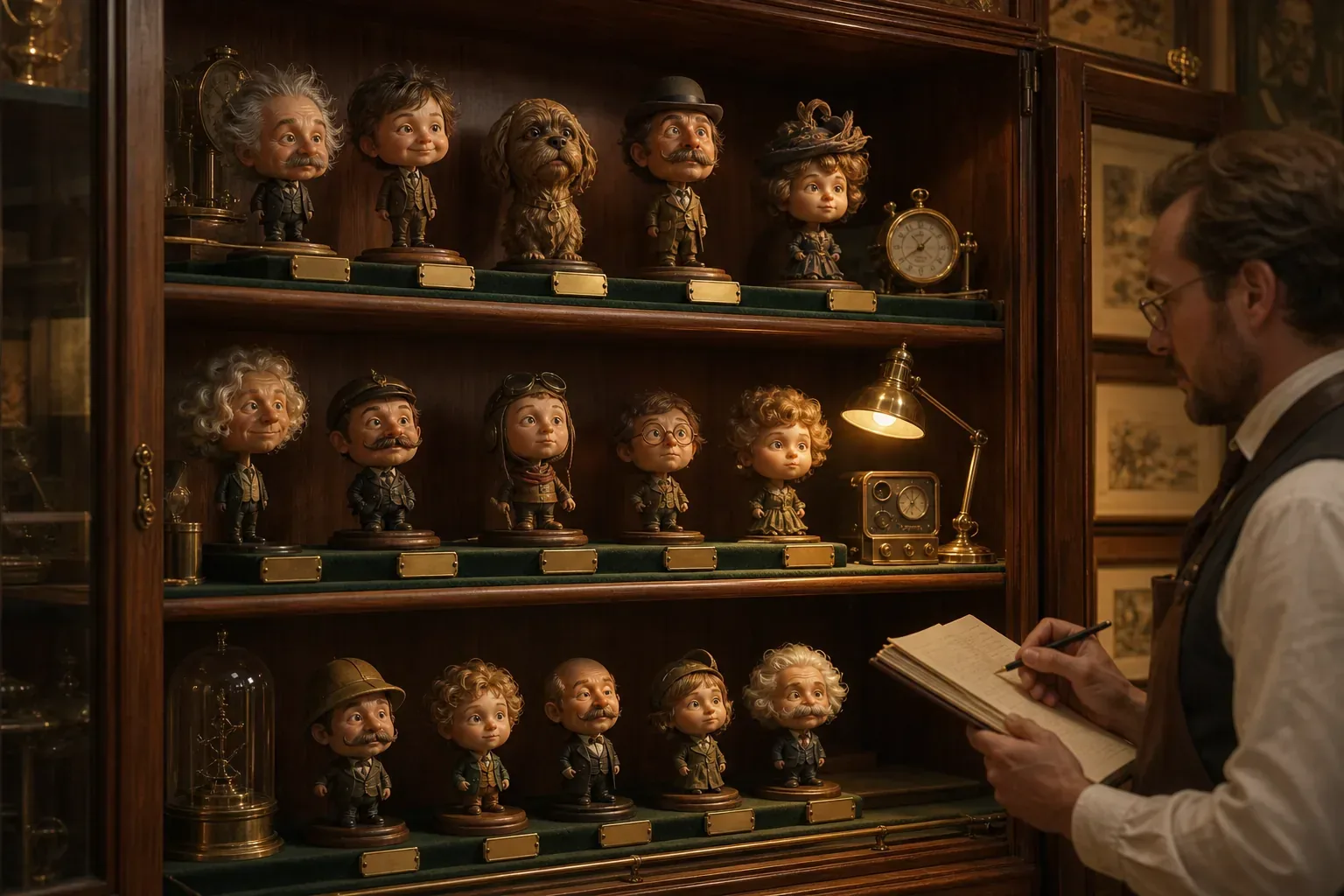
The successful collector proceeds as neither hunter nor shopper, but as a patient observer of shelf-borne life. The bobble is a creature of poise, spring, and theatrical stillness; it reveals itself only to those willing to take furniture seriously.

Recognizing Bobble Sign
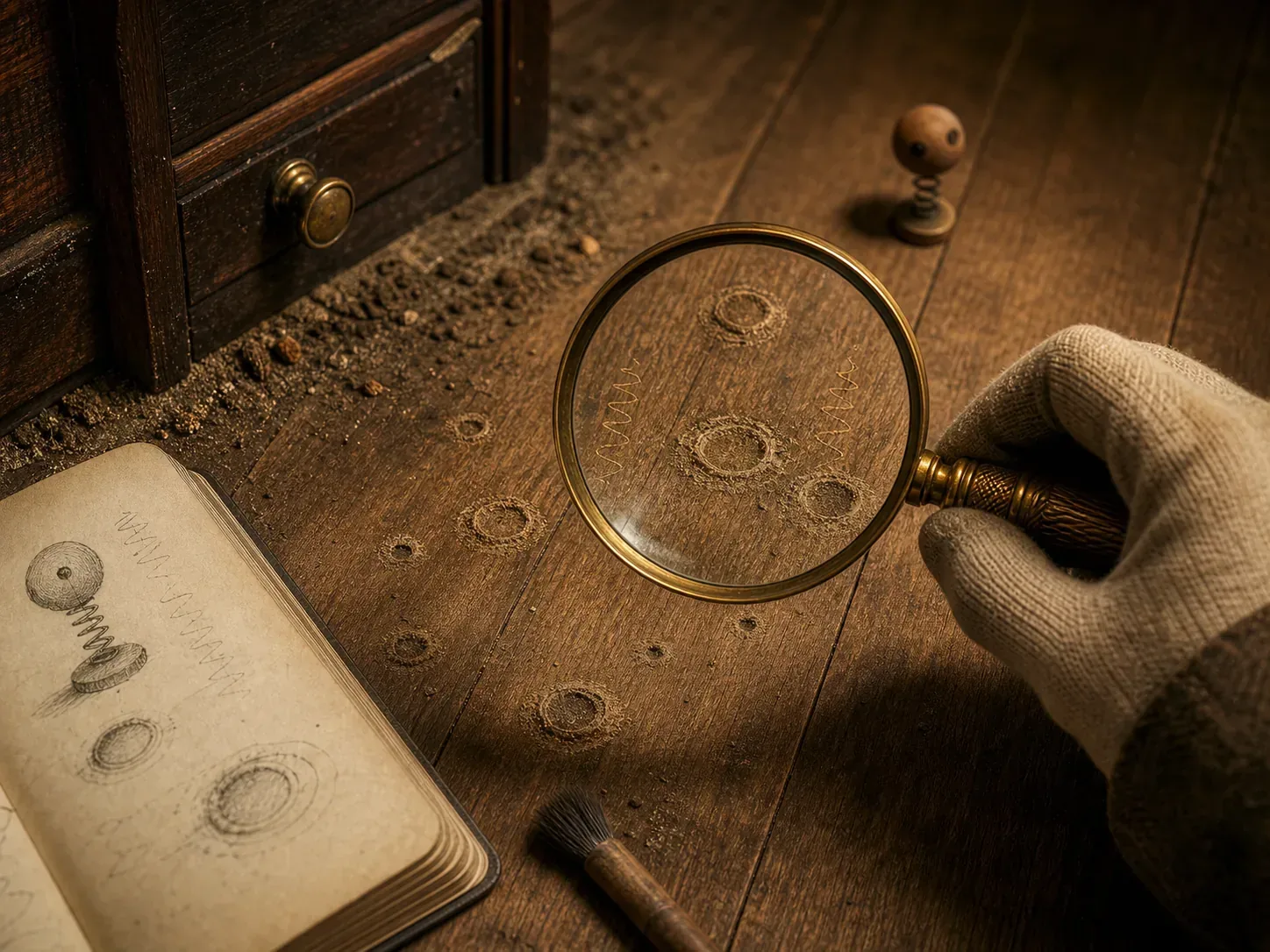
The first evidence of Bobbulorum imaginarum is rarely the specimen itself. More often one finds a perfect ring in dust, repeated several inches apart, as though a tiny column had reconsidered its position overnight. Near lamplight, the trained observer may also see a nodding shadow without an obvious source.
Listen for the faintest squeak of a spring, the small complaint of painted resin against dry air, or the unexplained movement of miniature props. A guitar that has rotated two degrees, a flag that faces the window, or a novelty accessory found at the shelf edge may all indicate recent bobble passage.
Habitat and Range
Musical bobbles favor record cabinets, rehearsal rooms, jukeboxes, and any shelf exposed to moderate applause. Presidential bobbles prefer libraries, desks, rooms with flags, and places where documents are stacked with visible intention. Random bobbles are less predictable, appearing in garages, attics, basements, novelty shops, and display cases whose original purpose has been forgotten.
Range is determined less by geography than by vibration, dust quality, available light, and the social chemistry of neighboring curiosities. A crowded shelf may support a thriving colony if the nodding intervals are compatible. A pristine shelf may remain empty for years if it lacks rumor.

Approaching Without Alarm
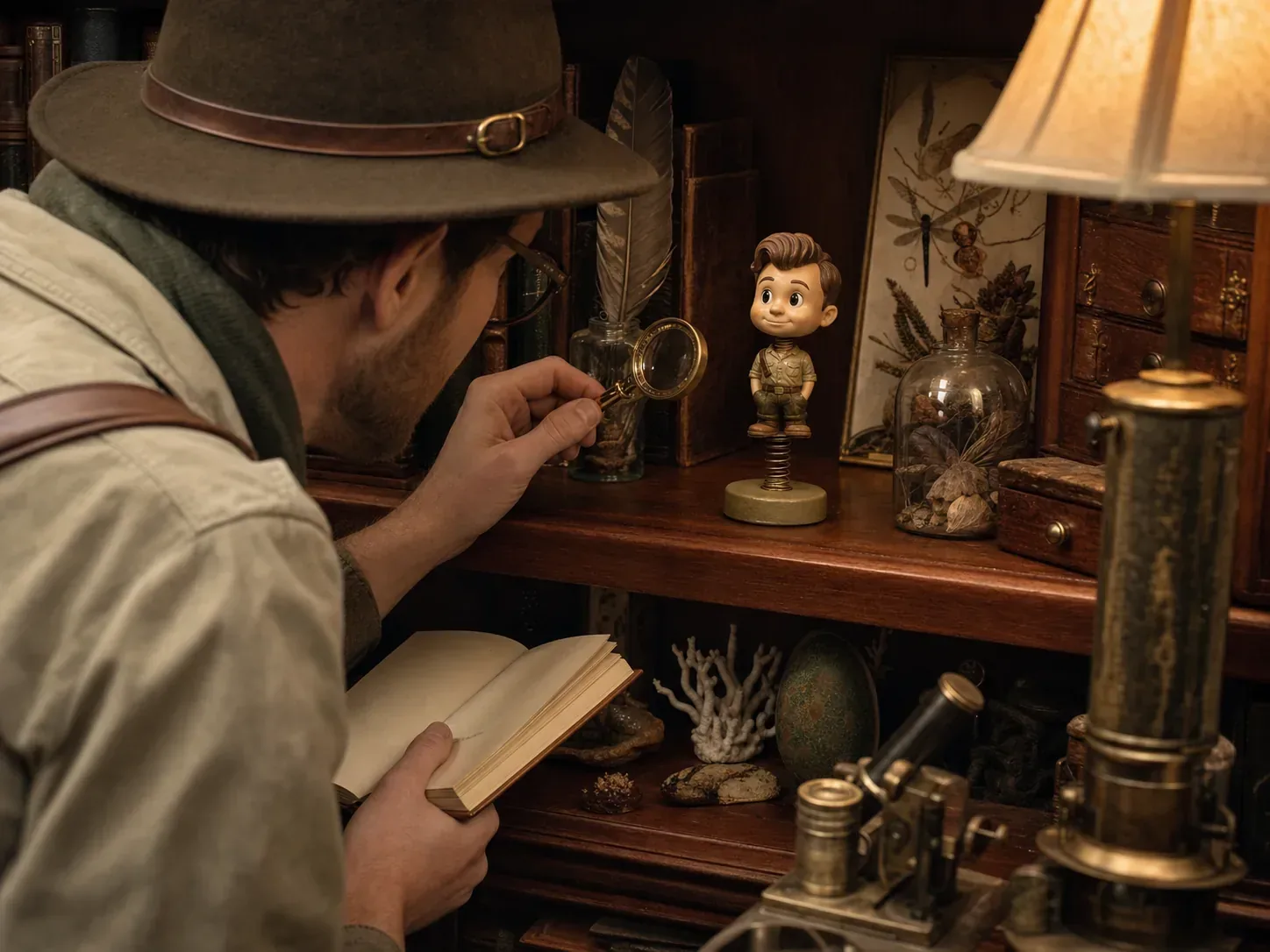
Approach at the rhythm of the specimen's natural nod. Sudden floorboard vibration is discourteous and may send the head into a defensive oscillation. Avoid direct confrontation with glossy painted eyes, especially under bright lamps, where the bobble may interpret its own reflection as a rival.
Felt-soled shoes are recommended. When a specimen holds an instrument, book, hat, or other signature object, approach from the non-signature side. This allows the bobble to preserve dignity while pretending not to notice you.
Recommended Equipment
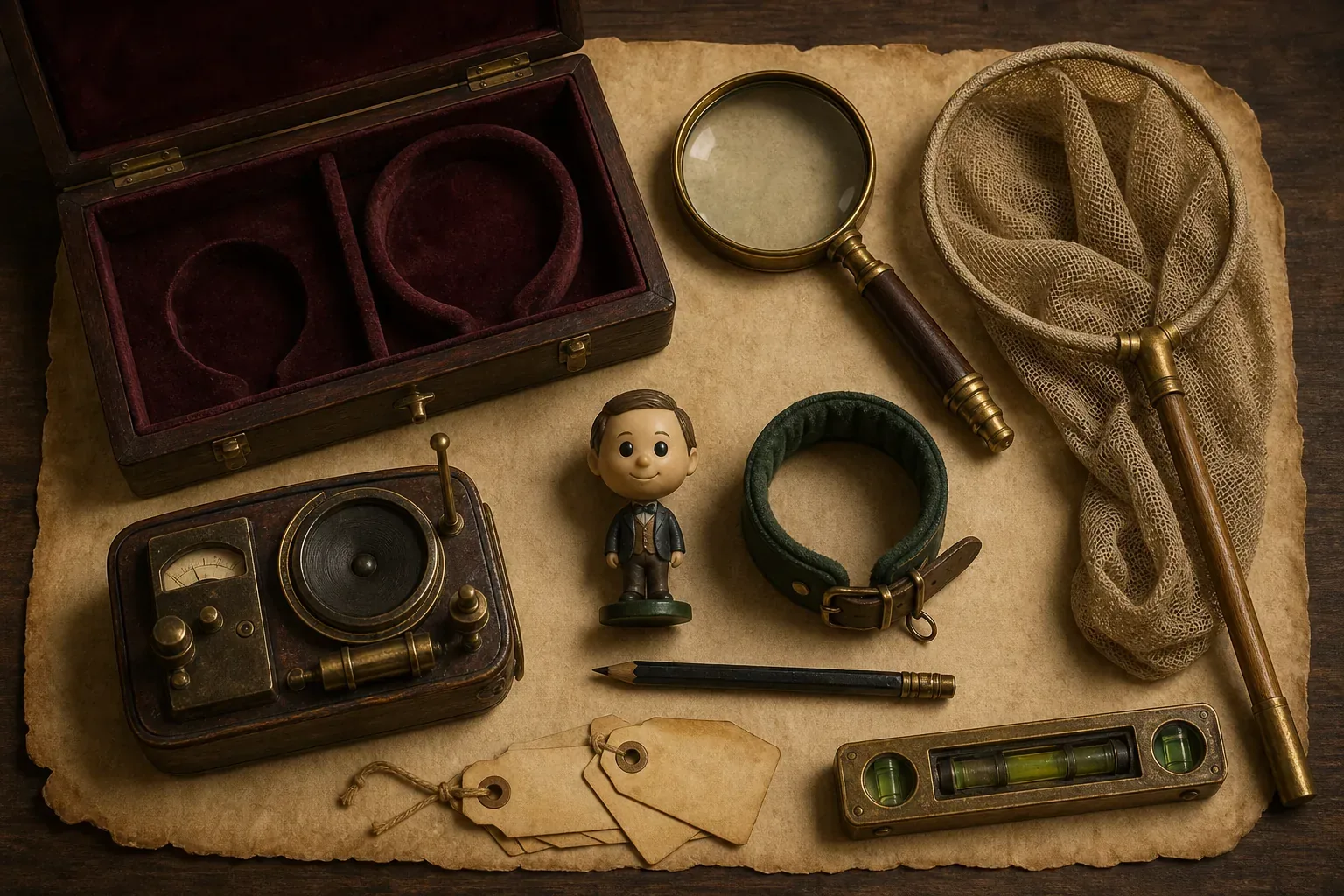
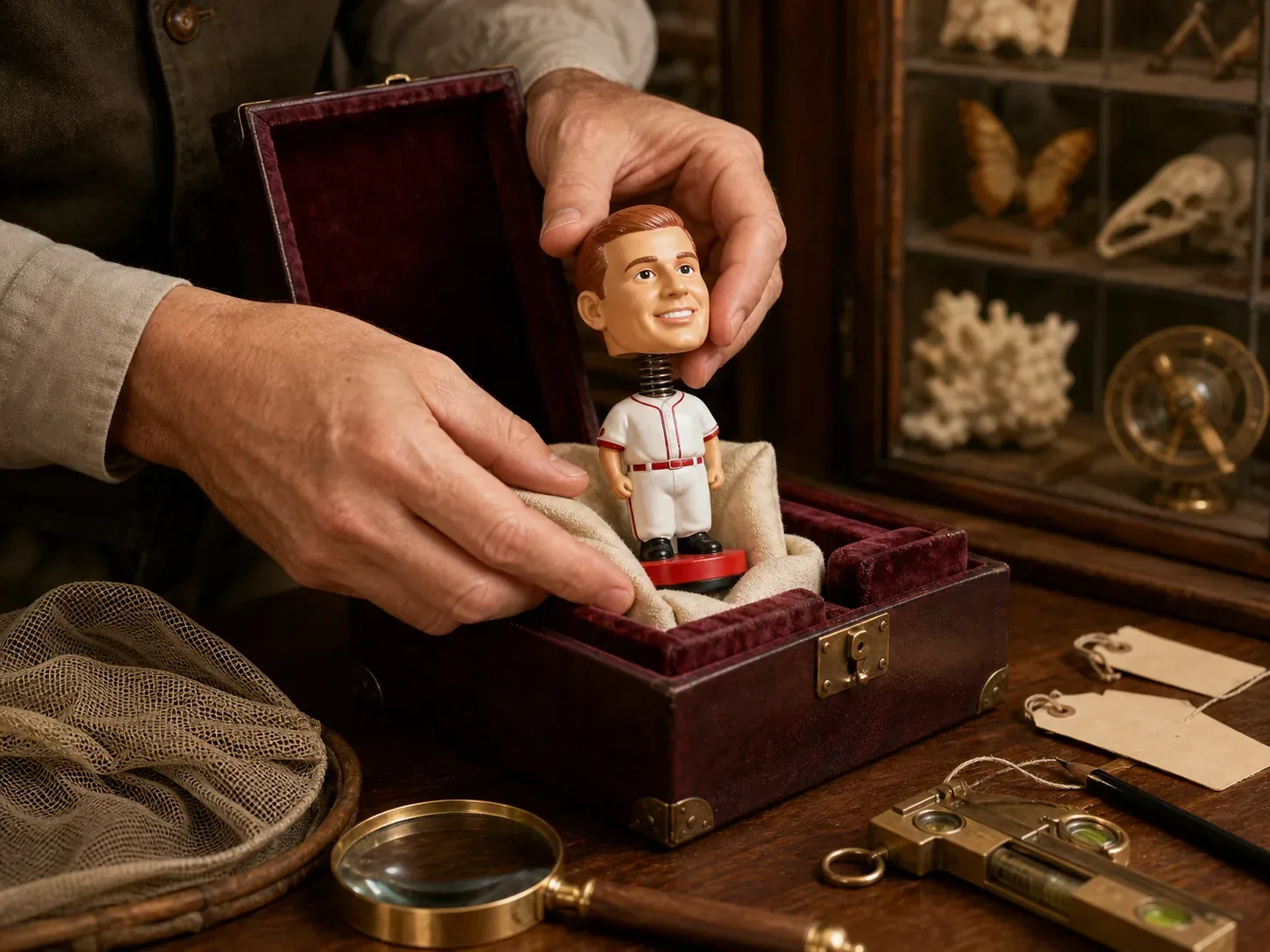
- Velvet-lined specimen case for travel between shelf and study table.
- Brass magnifying lens for base inspection and dust-ring verification.
- Soft capture net, used ceremonially more often than practically.
- Stabilizing collar for heads with unusually enthusiastic springs.
- Archival pencil, label tags, and a pocket level for recording posture.
- Emergency adhesive putty, applied sparingly and never as a substitute for common sense.
Humane Capture Procedure
- Observe from a stable distance until the nodding interval is understood.
- Confirm that the specimen is not part of a bonded shelf pair or themed cluster.
- Reduce nearby vibration and remove unstable props from the immediate area.
- Present a familiar object, musical cue, or dignified silence as appropriate.
- Stabilize the head gently before lifting the base with two fingers.
- Place the specimen in a padded case and record habitat, posture, and direction of nod.
Release, Relocation, and Ethical Practice
No specimen should be removed solely for rarity. Shelf communities are delicate arrangements of theme, height, nostalgia, and mutual nodding tolerance. If relocation is necessary, record the original site, photograph the surrounding specimens, and return stressed individuals to a stable horizontal surface.
Never separate obvious groups without cause. Musical ensembles, presidential lines, and miscellaneous alliances may have taken years to settle into acceptable silence. The curator's duty is not conquest, but stewardship with better labels.
No specimen should be pursued beyond the point at which its dignity, finish, or spring mechanism may be compromised.