Domestic Husbandry Manual, Volume II
The Care and Feeding of Bobbulorum Imaginarum
A well-kept bobble asks for little, yet it notices everything: the tilt of a shelf, the cruelty of direct sun, the social pressure of a neighbor whose spring is too vigorous. Proper husbandry begins with respect for the base.
Choosing the Proper Shelf
The ideal shelf is level, deep enough for the base, and tall enough to permit a full nod without cranial contact. Avoid direct sunlight, frequent vibration, and precarious edges. Temperature should remain stable, not because bobbles complain aloud, but because paint, adhesive, and springs prefer a calm climate.
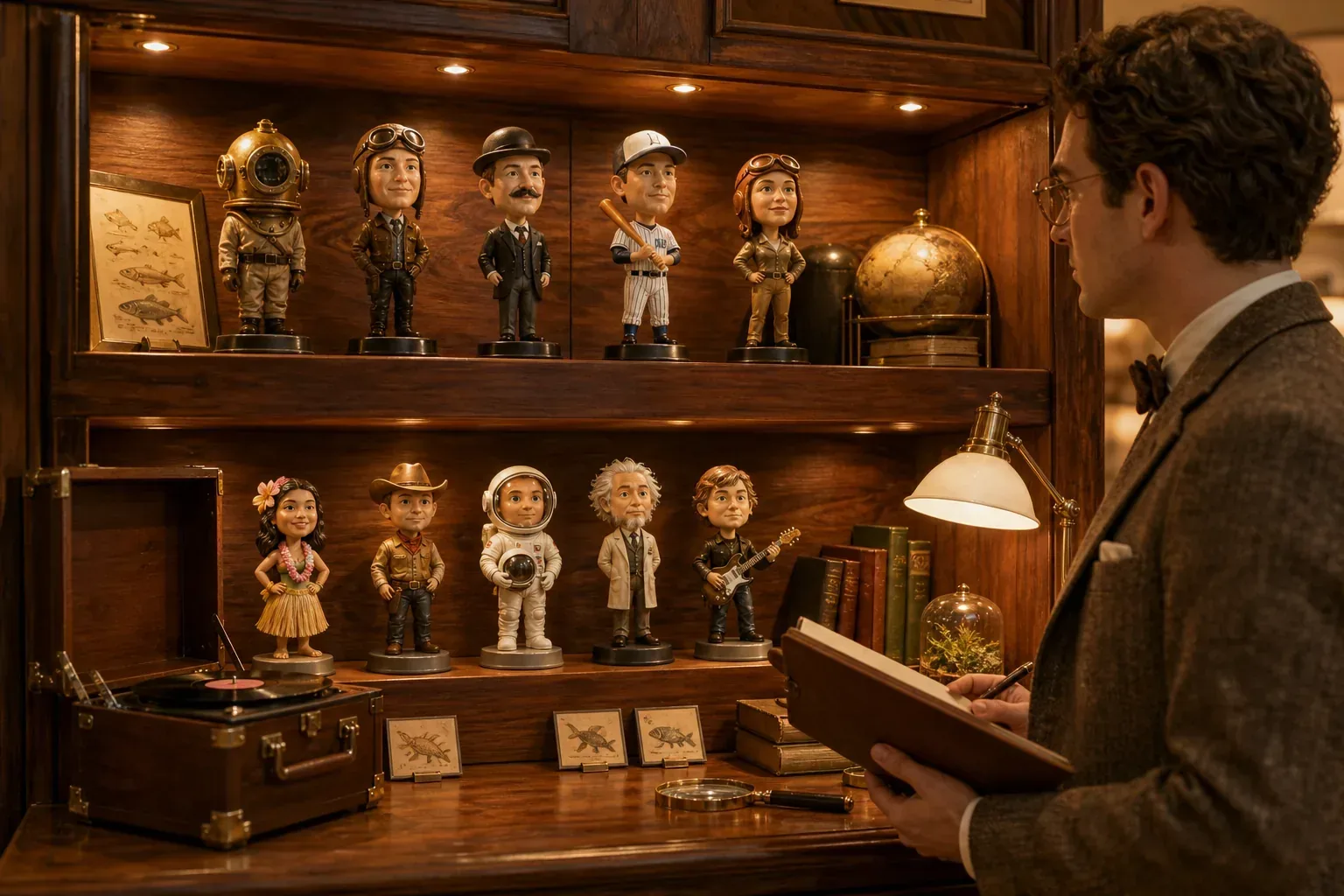
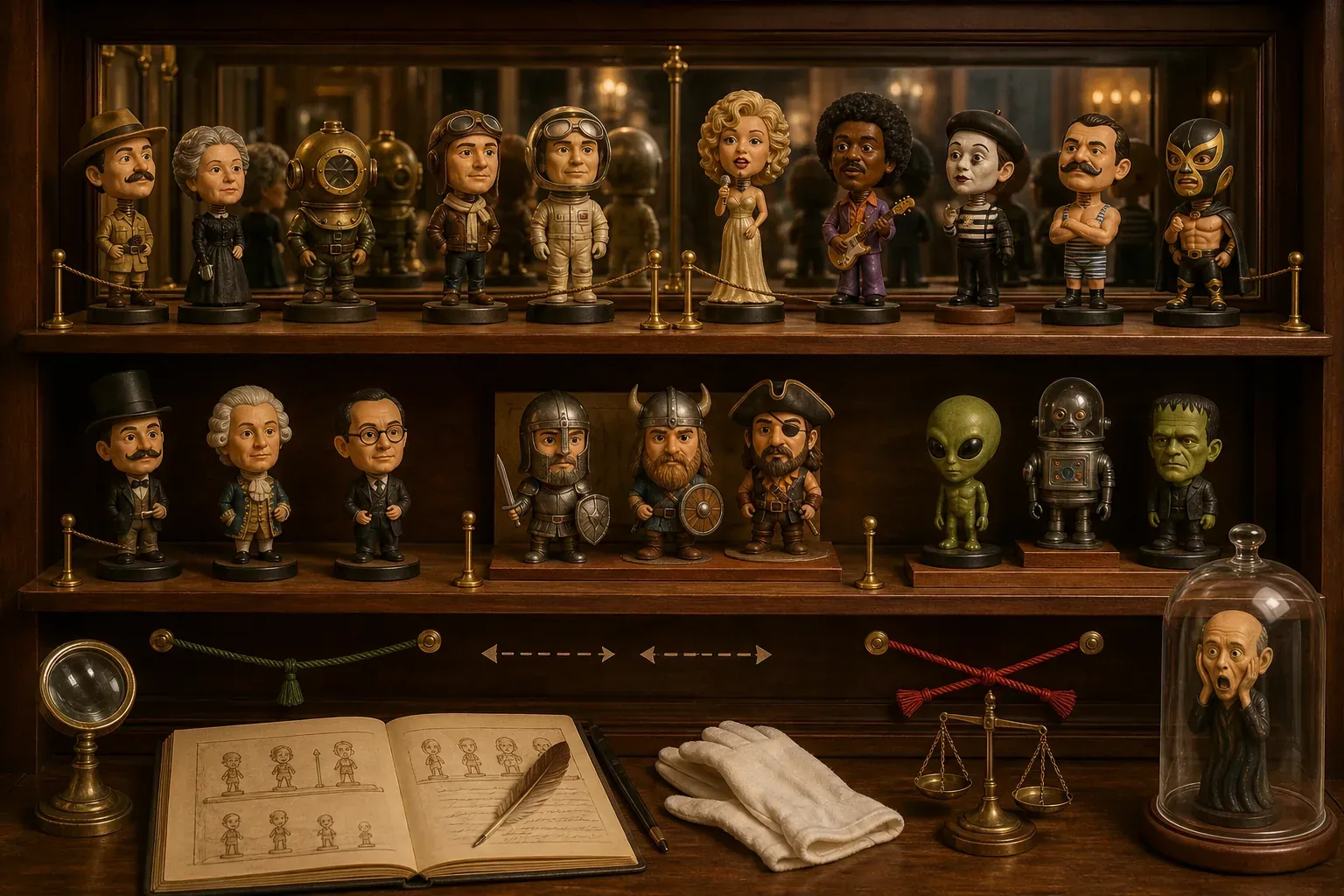
Group compatible specimens by theme, posture, and temperament. A musical bobble may thrive near an amplifier if volume remains civilized. A presidential bobble may prefer the solemn company of books. Randoms enjoy mixed enrichment, provided no one is forced into a narrative against their nature.
Comfort Shelving
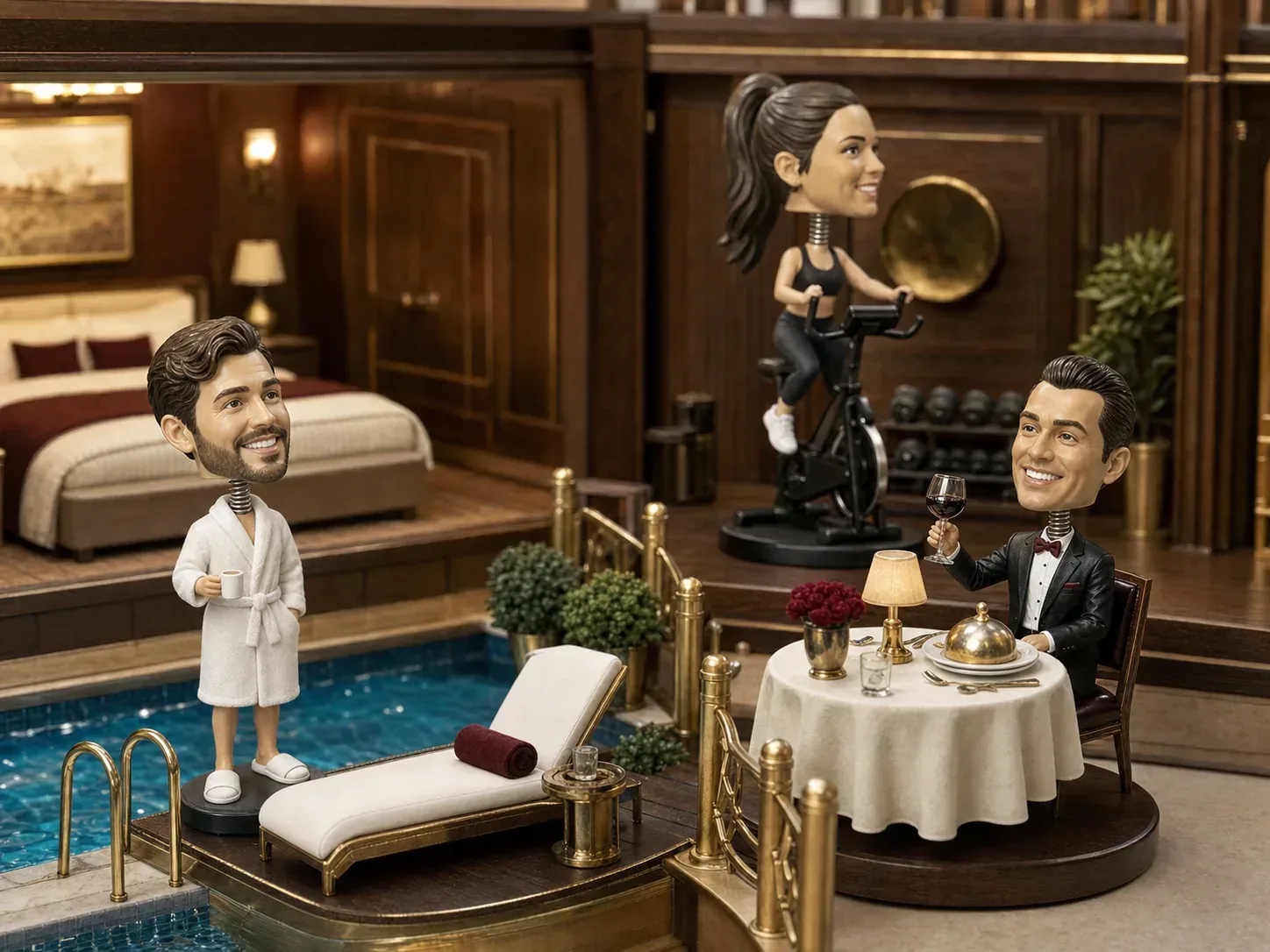
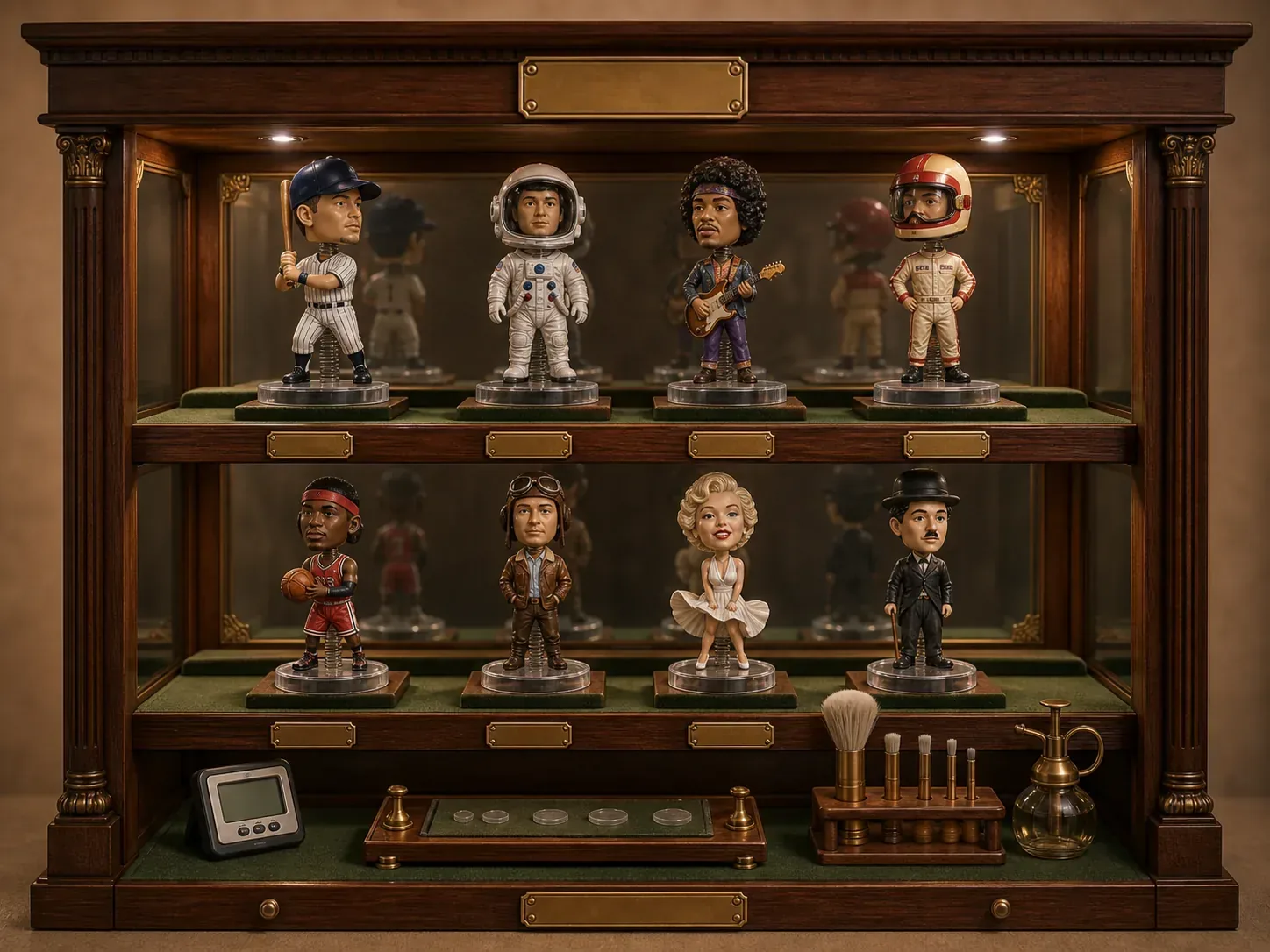
Comfort shelving is not indulgence; it is infrastructure. A felt or cork liner dampens vibration, while non-slip pads prevent slow base migration. Soft indirect lighting lets painted features remain visible without baking them into regret. Top-heavy specimens may require discreet back support.
Each resident benefits from a name plaque or specimen card, proper distance from neighboring heads, and occasional mirrored backing for social enrichment. The mirror should be introduced gradually. Some bobbles interpret reflection as company; others suspect an administrative review.
Feeding and Enrichment
Feeding is metaphorical. Do not place food near collectibles. Bobbles are nourished by appropriate attention: music suited to their era, applause at moderate volume, historical documentaries, a newly rotated artifact, or a few minutes of respectful conversation while dusting nearby objects.
Enrichment should be controlled. Novelty exposure is valuable for Randoms, mildly tolerated by Music, and best introduced to Presidents with a printed agenda. The goal is not excitement, but the gentle conviction that the shelf remains an interesting place to stand.
Amenities Required
- Dusting brush station and a soft air blower.
- Miniature reading lamp or indirect display light.
- Climate monitor placed where it can be seen but not worshipped.
- Tiny risers for shorter specimens and back supports for ambitious heads.
- Vibration-dampening feet beneath the shelf or cabinet.
- A quarantine shelf for newly acquired bobbles until compatibility is known.
Cleaning and Grooming
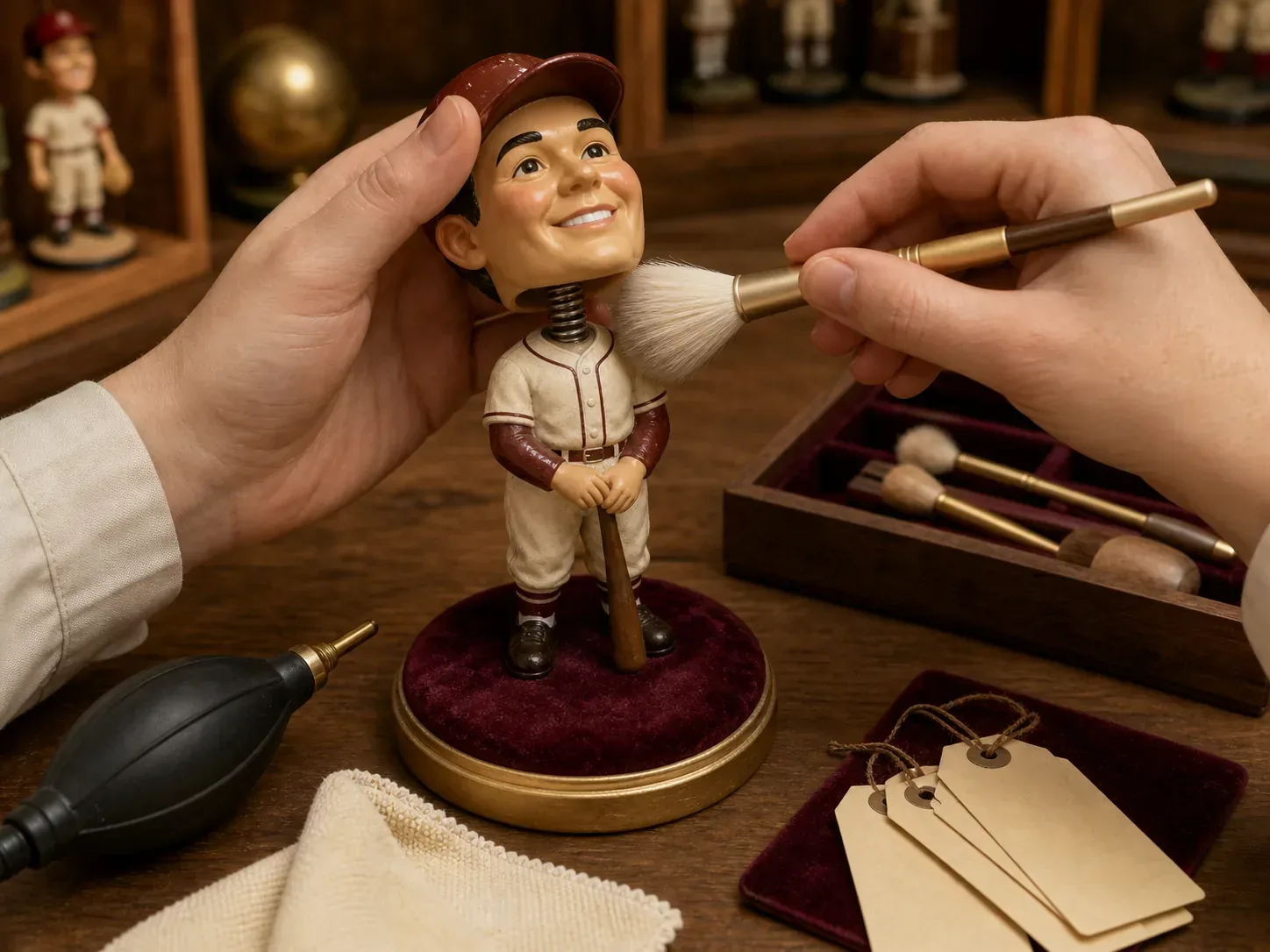
Use a soft air blower or clean cosmetic brush. Stabilize the head before cleaning around the neck joint, and never mistake enthusiasm for structural strength. Avoid harsh solvents, soaking, abrasive cloths, and any treatment that would alarm a conservator.
Microfiber may be used on a base when appropriate. Test any method on an inconspicuous area, document existing paint wear before treatment, and consult manufacturer or conservation guidance for valuable, delicate, or irreplaceable pieces.
Social Grouping and Signs of Distress
Musical performers often prefer genre clusters, while Presidents require diplomatic spacing and an unobstructed line of sight. Randoms benefit from mixed-environment enrichment, though rival specimens should not face each other at close range. Extremely vigorous nodders need additional clearance.
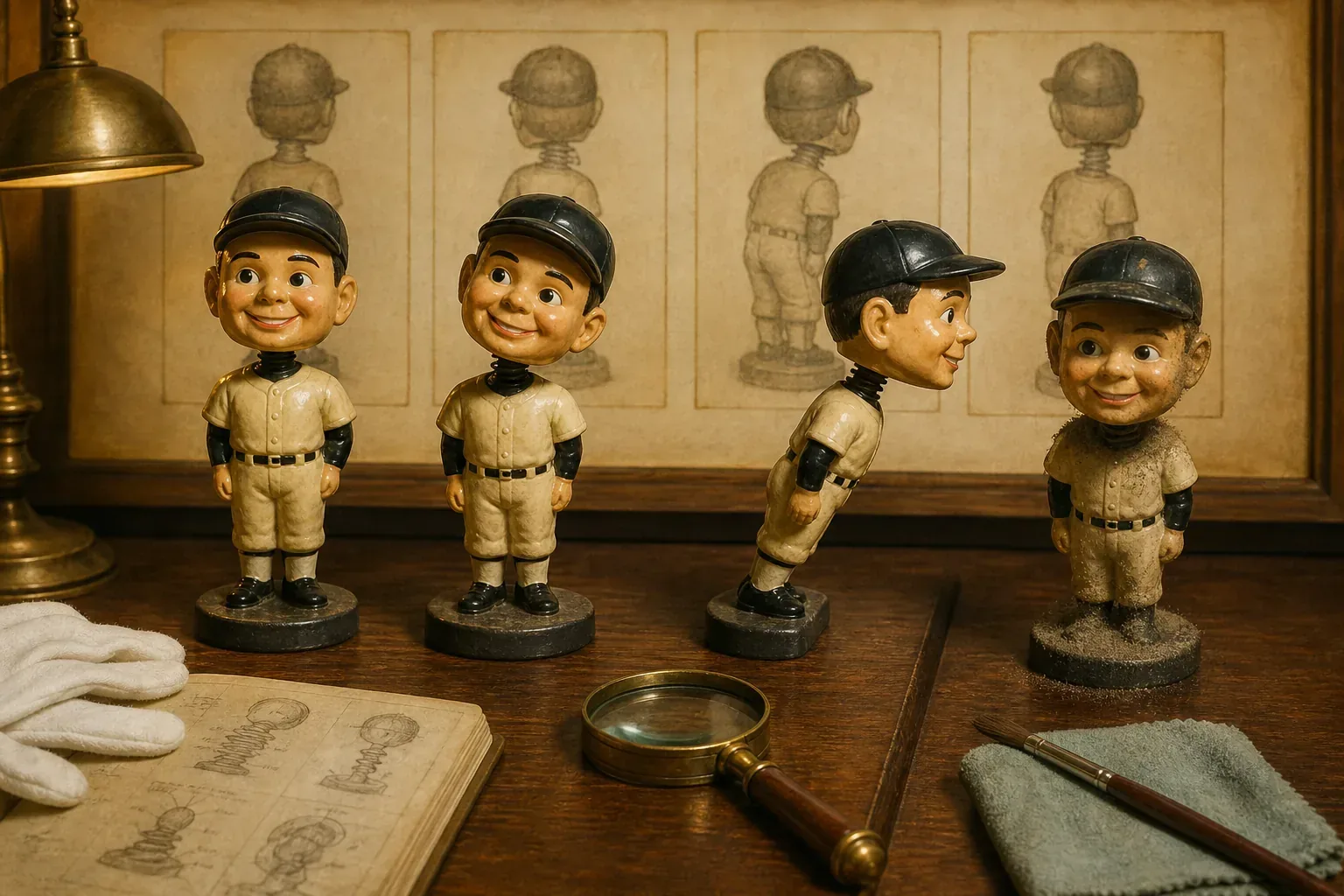
Distress may present as persistent off-axis nodding, base migration, leaning toward a shelf edge, repeated contact with neighbors, dust accumulation around the neck joint, or a general loss of spring enthusiasm. Correct the environment before blaming the bobble.
Diagnostic Signs
A healthy bobble maintains a confident vertical axis, returns from a nod without complaint, and remains where it was placed. A distressed specimen may lean forward as though considering escape, gather dust around the neck joint, or migrate one imperceptible fraction toward the shelf edge each week.
Correct the environment before correcting the specimen. Level the surface, reduce vibration, increase spacing, and document the original condition before cleaning. A bobble that appears dramatic may simply be asking for a better shelf.
Long-Term Stewardship
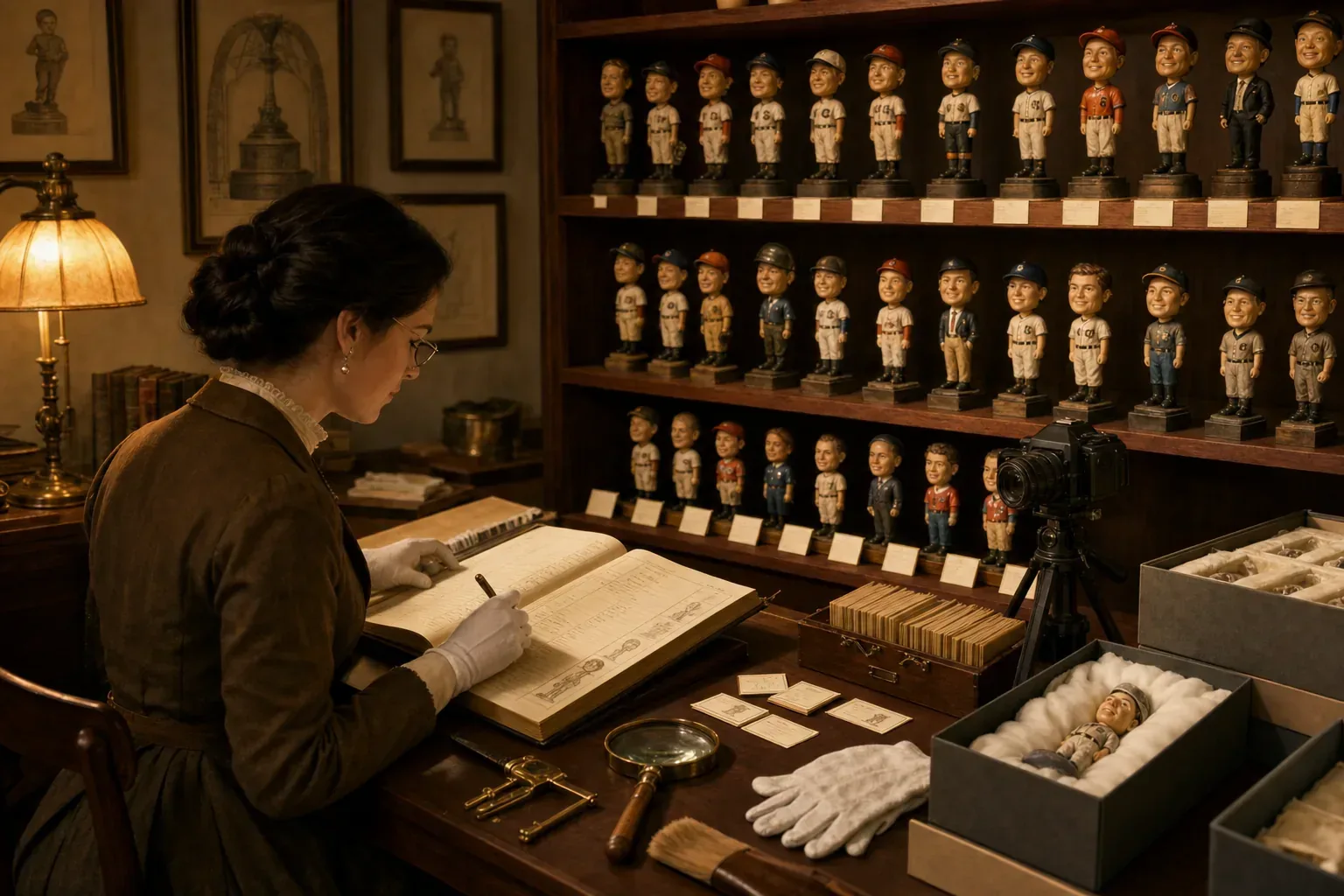
Keep inventory records, photographs, provenance notes, and any valuation documents that apply. Store unused specimens in stable conditions, transport them in padded containers, and rotate displays without overhandling. A bobble does not fear change; it fears being lifted by the head.
A well-kept bobble asks for little: a stable base, a respectful audience, and sufficient room to agree with the world.